International space
SpaceX Crew-12: has returned with a safe splashdown
According to the NASA announcement dated 2026-10-08, SpaceX Crew-12 has returned with a safe splashdown.
Oct 11, 2026, 9:26 AMNASA
Global spaceflight updates connected to traceable sources and structured space entities.
According to the NASA announcement dated 2026-10-08, SpaceX Crew-12 has returned with a safe splashdown.
According to the NASA announcement dated 2026-10-07, SpaceX CRS-35 has a published launch and arrival coverage plan; this is a mission preview, not a completed launch.
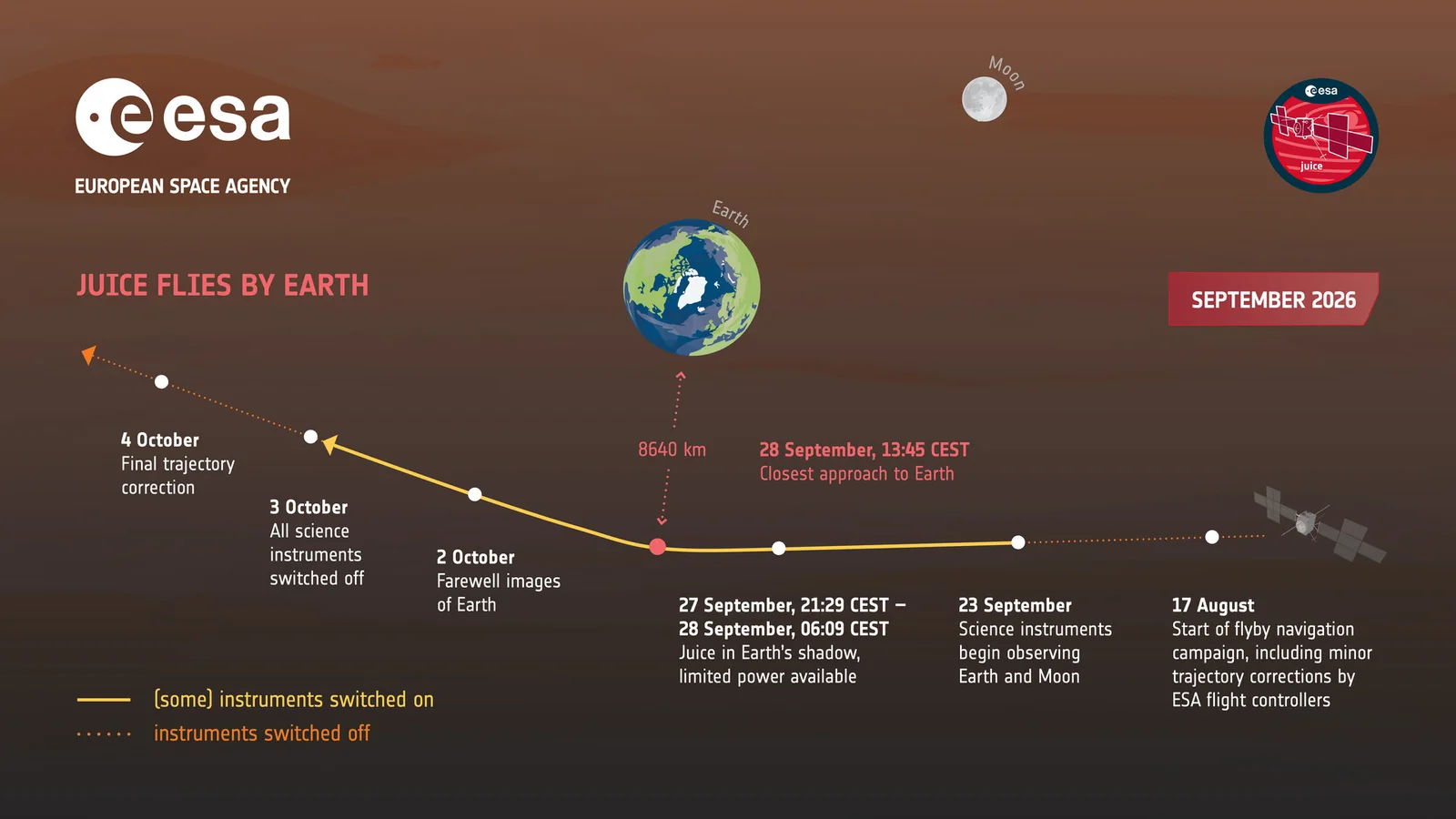
ESA plans for the JUICE spacecraft to fly past Earth on September 28 at a closest distance of about 8,640 kilometres. The gravity assist is expected to bend the trajectory by roughly 20 degrees and add about 3.5 kilometres per second.
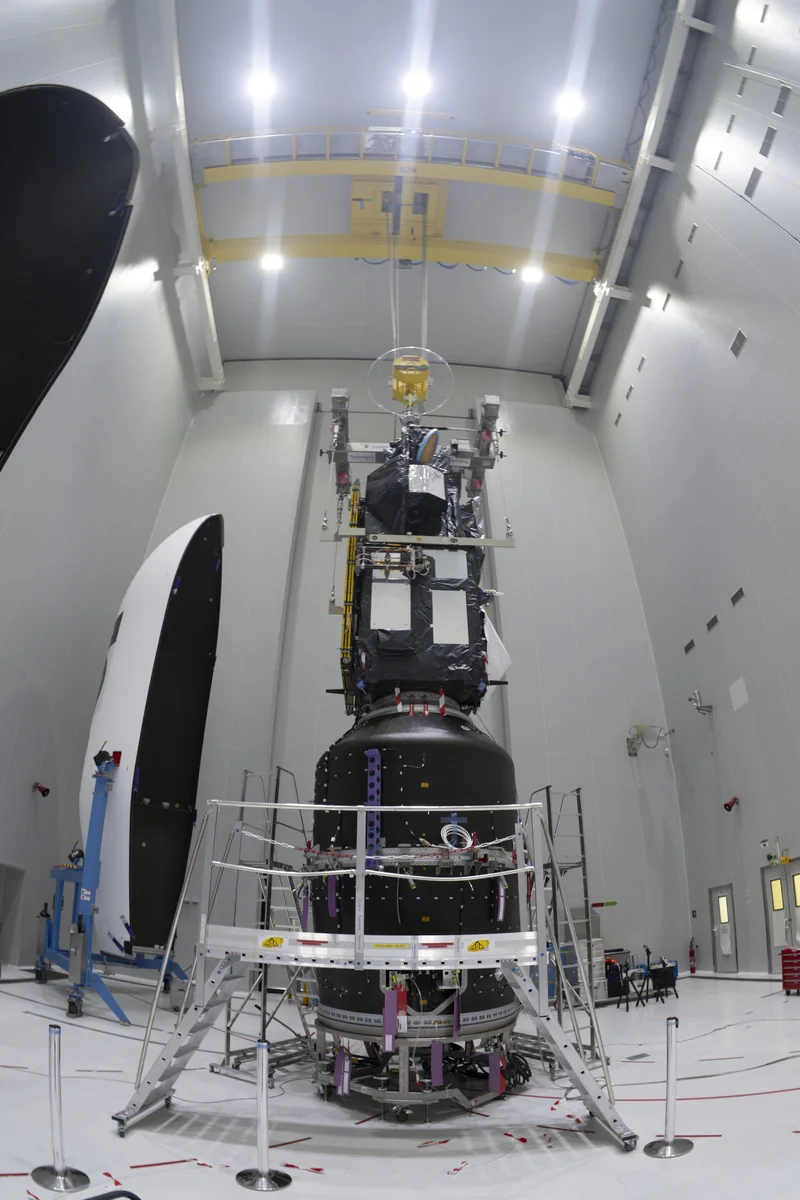
ESA says the second Meteosat Third Generation imager, MTG-I2, has reached geostationary orbit about 36,000 kilometres above Earth and was handed over to EUMETSAT on September 8 for the next phase of commissioning.
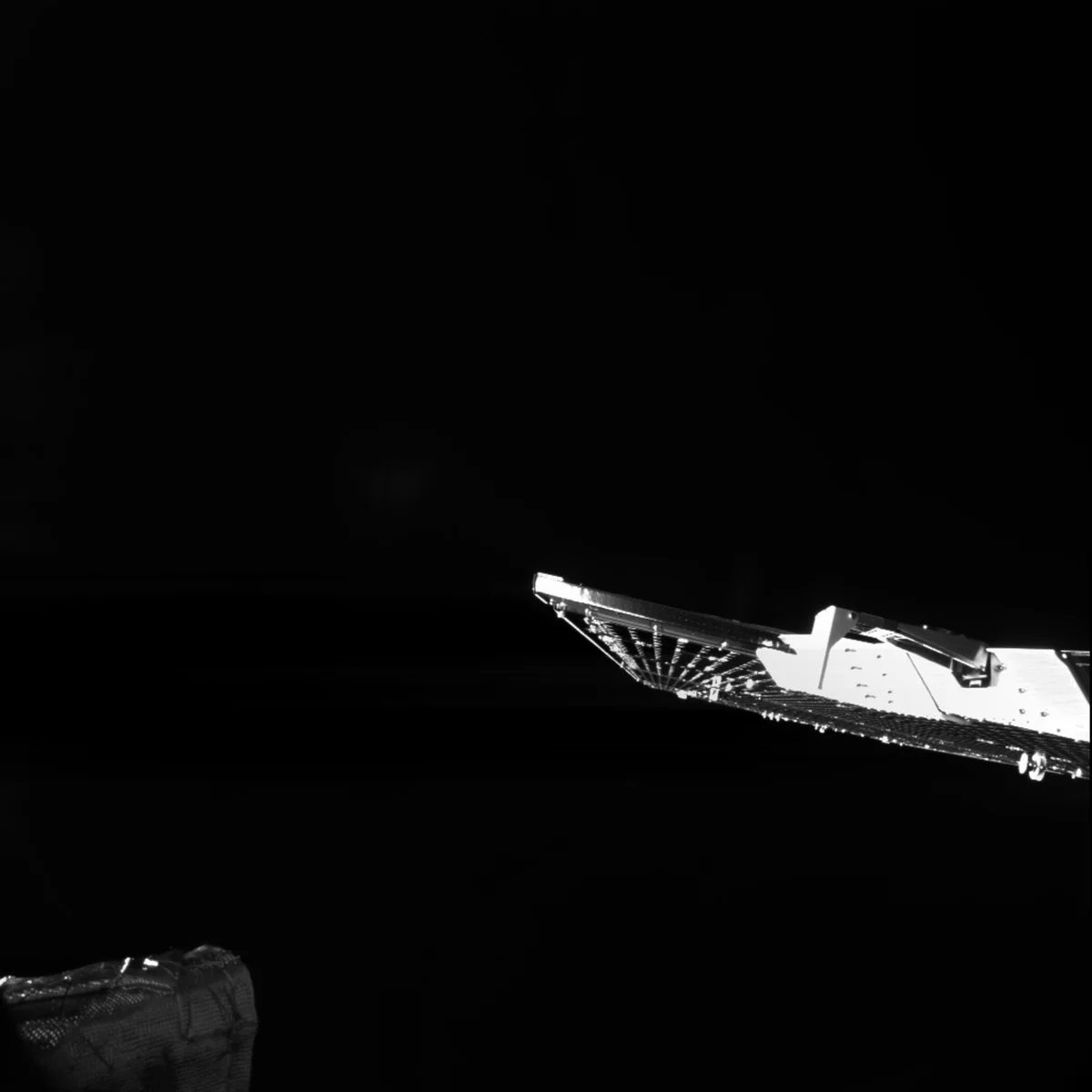
ESA confirmed that BepiColombo separated its Mercury Transfer Module on September 3 and that ground stations received confirmation. The manoeuvre ended the cruise stage's eight-year role and began the spacecraft's Mercury-arrival sequence.
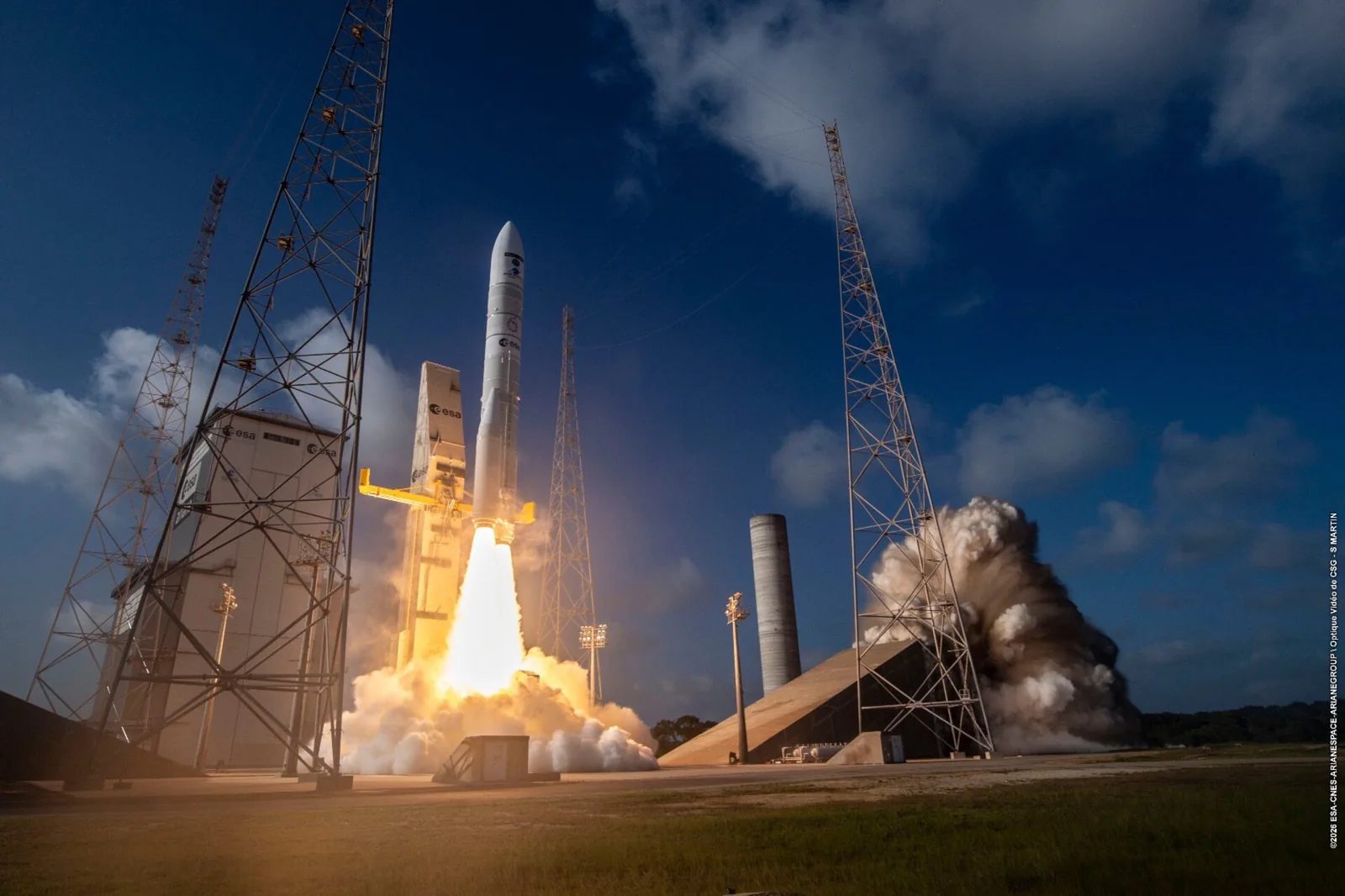
ESA's FLEX and Sentinel-3C satellites launched together on Vega-C on September 15. Both spacecraft were deployed and acquired, beginning missions focused on vegetation fluorescence and sustained observations of oceans, land, ice, and the atmosphere.
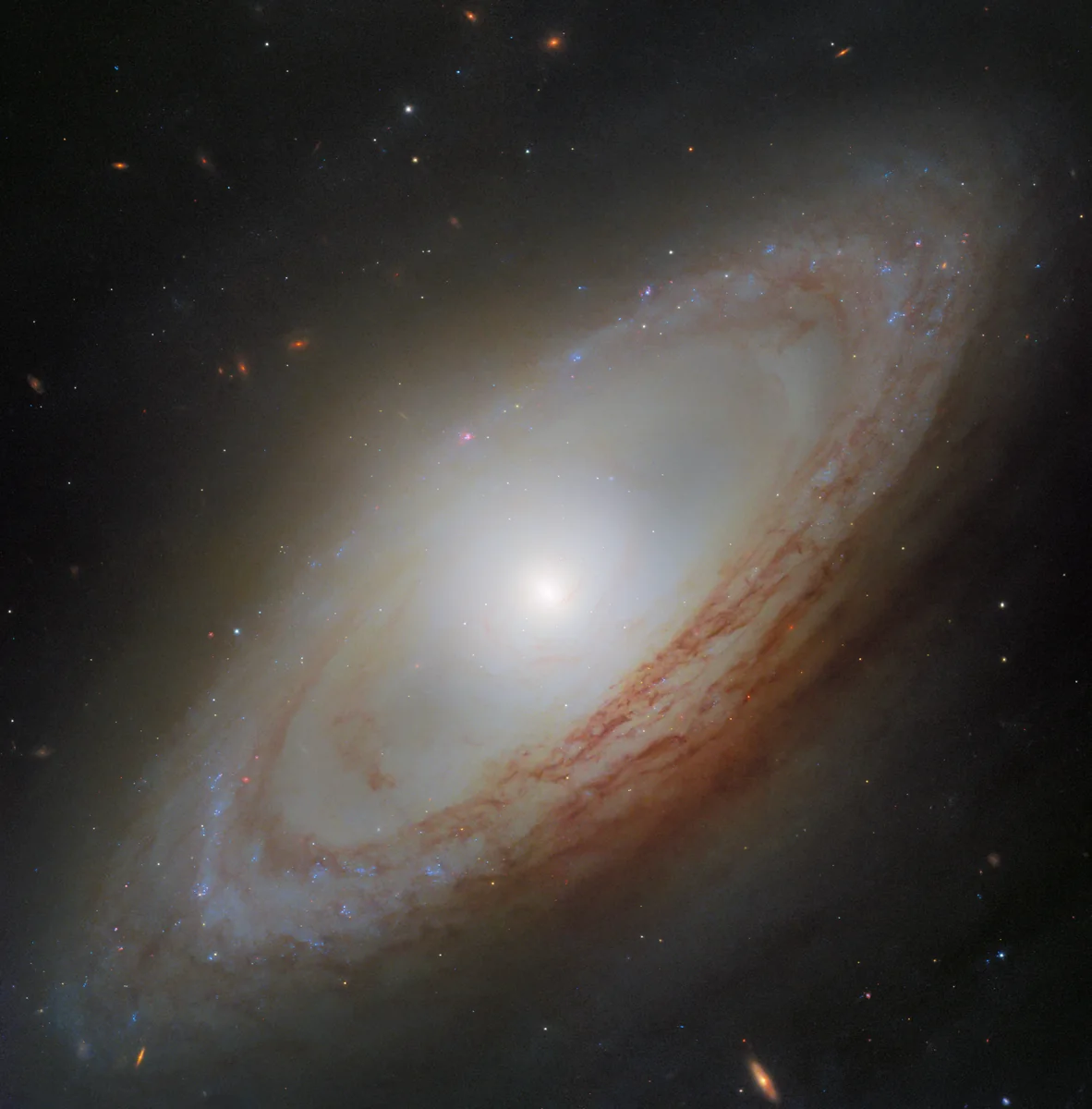
A new Hubble image of NGC 4698, about 55 million light-years away, shows a central bulge extending nearly perpendicular to the outer disk. Stars and gas near the centre also rotate differently from the rest of the galaxy.
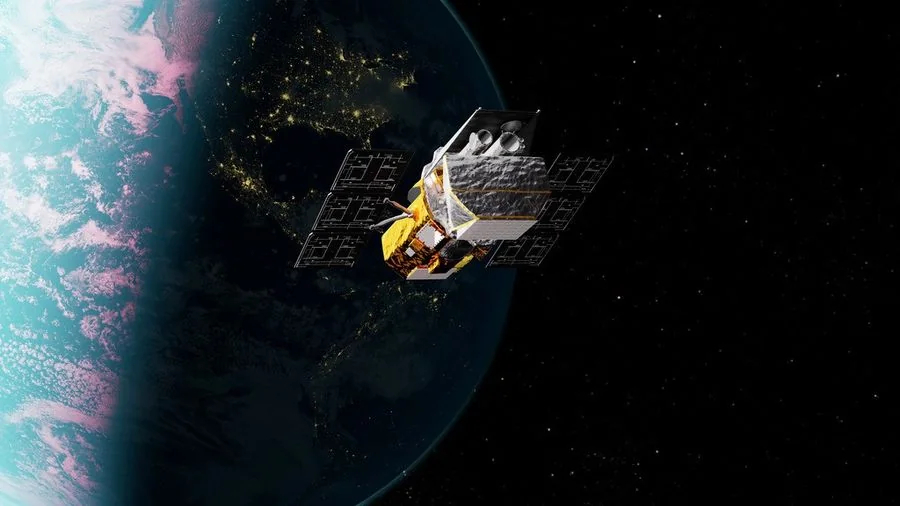
NASA and Katalyst Space say the LINK spacecraft will no longer attempt to capture and raise the orbit of the Swift observatory because of an ongoing attitude-control issue, though rendezvous and proximity operations are still planned.
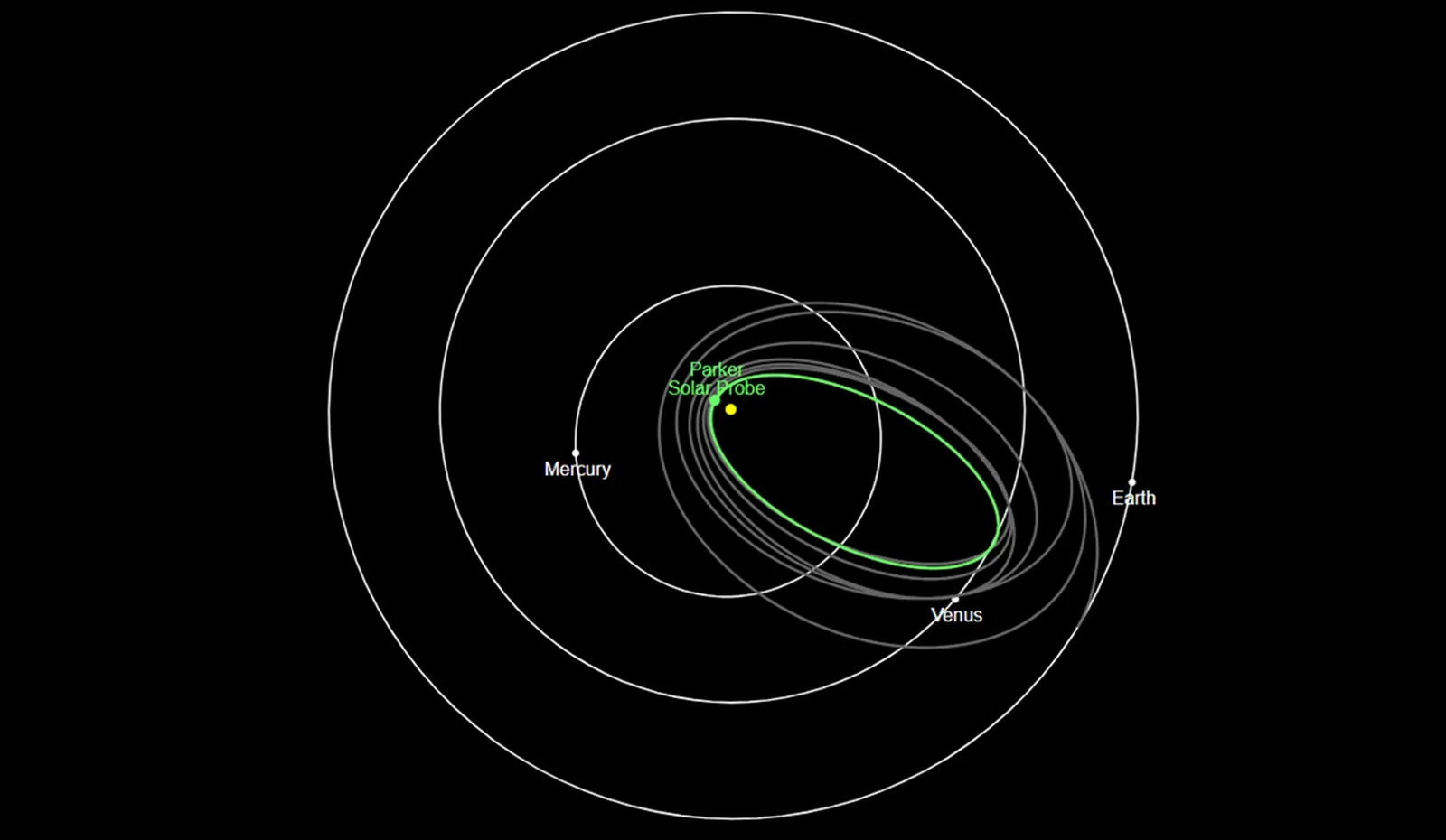
Parker Solar Probe completed its 29th close approach to the Sun on September 4 and returned a normal-system beacon on September 7. The pass again matched the mission's record distance of about 3.8 million miles and speed of about 430,000 miles per hour.
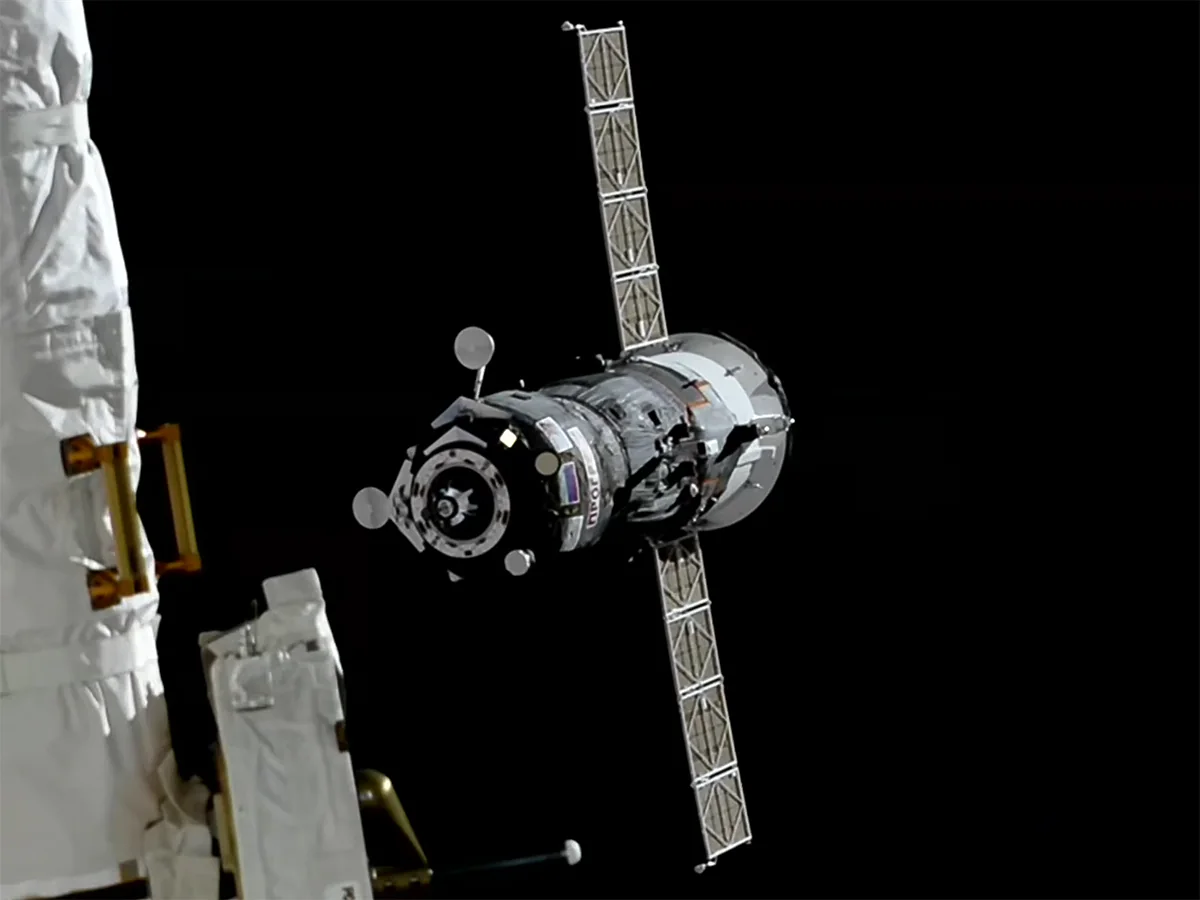
Russia's Progress 96 cargo spacecraft automatically docked with the International Space Station's Poisk module at 9:44 a.m. EDT on September 19, delivering about three tons of food, fuel, and supplies for Expedition 75.
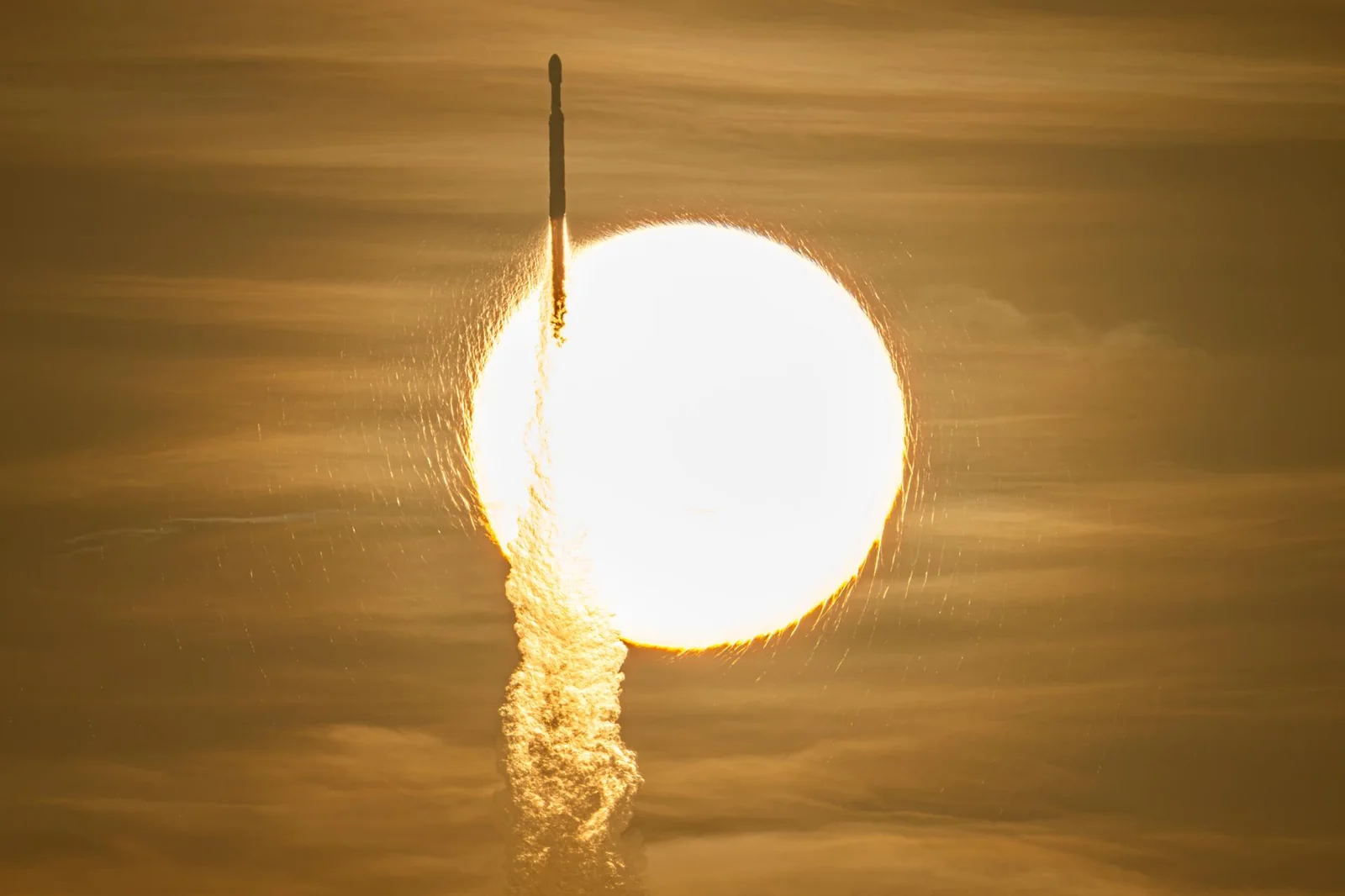
NASA's Nancy Grace Roman Space Telescope launched at 7:26 a.m. EDT on August 30 aboard a Falcon Heavy from Launch Complex 39A at Kennedy Space Center, beginning its journey toward the Sun-Earth L2 region.
JAXA and the Japan Meteorological Agency announced that AMSR3 microwave-radiometer observations from the GOSAT-GW satellite would enter operational numerical weather prediction on September 8, supporting analyses of sea-surface temperature, water vapour, clouds, precipitation, and sea ice.
China's space agency and the UN Office for Outer Space Affairs signed a donation agreement in Vienna on September 14. Samples returned by Chang'e 6 from the lunar far side are to be placed on permanent display at the UN Office at Vienna.
NASA set out Artemis II’s final launch preparations on 25 March 2026. The first two-hour window opened at 6:24 p.m. EDT on 1 April, with further opportunities through 6 April. Window opening is not actual liftoff.
NASA outlined Progress 94 on 19 March 2026, targeting 22 March at 7:59 a.m. EDT, or 4:59 p.m. Baikonur time. Soyuz would carry about three tonnes of station supplies.
JAXA announced on 18 March that eight CubeSats in Innovative Satellite Technology Demonstration-4 would move from the January–March period to no earlier than 23 April, following Rocket Lab schedule changes.
NASA replanned US station excursions on 12 March 2026. Jessica Meir and Chris Williams would undertake spacewalk 94 on 18 March, preparing the 2A channel for later roll-out solar-array installation.
NASA announced departure arrangements for Northrop Grumman’s CRS-23 Cygnus XL on 6 March 2026. Canadarm2 release was targeted for 12 March at 7 a.m. EDT, monitored by ESA astronaut Sophie Adenot.
NASA described HTV-X1 departure plans on 2 March, targeting Canadarm2 release around noon EST on 6 March, early 7 March in Japan. JAXA’s earlier announcement is supplementary evidence of the same departure programme.
ISRO announced IMEx-2026 on January 29, 2026, inviting Indian researchers to propose microgravity experiments for its human-spaceflight programme. Topics include materials, biology, agriculture, pharmaceuticals, fluids, heat transfer, combustion and in-space manufacturing.
Crew-11's Dragon safely splashed down off San Diego on January 15, 2026. JAXA reported 17:41 Japan time and 03:41 US Eastern Standard Time, two representations of the same event.
NASA announced initial Artemis II rollout plans on 14 January, targeting departure from the VAB no earlier than 7 a.m. EST on 17 January for pad 39B. Technical preparations and weather could change the start.
NASA published Crew-11 early-return arrangements on 13 January, updating the English notice on 14 January to target undocking at 5:20 p.m. EST that day and recovery off California early the following morning.
JAXA assigned Makoto Suwa to a long-duration ISS mission around 2027, it announced on January 9, 2026 following international coordination. This would be his first spaceflight; the notice gave neither an exact launch date nor a specific spacecraft flight.
NASA’s 5 January announcement planned two ISS spacewalks, then added a 7 January notice postponing the 8 January operation. A subsequent station update described a medical concern involving one stable crew member without identifying them.
Rocket Lab’s January 7, 2026 ESCAPADE log confirms Gold completed its second trajectory correction on January 6 with a 97.7-second burn. It followed a short December firing and sends Gold past the Sun–Earth L2 region into a loiter trajectory. Earlier 2025 launch and Blue manoeuvres remain background. A November 2026 Mars transfer and September 2027 arrival were then plans, not achieved orbit insertion. The article uses the confirmed burn rather than an older preliminary duration. NASA and UC Berkeley’s twin mission aims to study atmospheric escape; later manoeuvres and science results require separate evidence.
ISRO opened Aditya-L1’s first observation-time proposal cycle on January 6, 2026, inviting the Indian solar-physics community to seek access. The announcement aims to broaden scientific use of an existing mission, not to report a new launch.