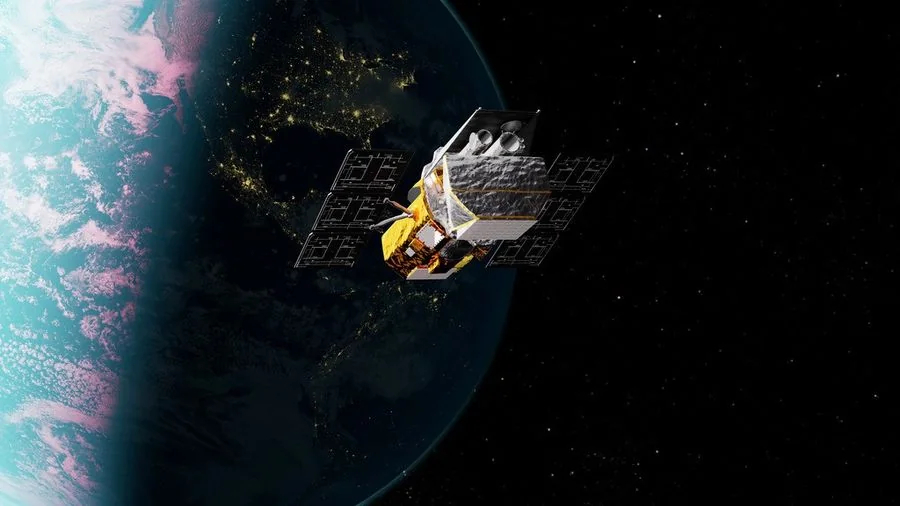
NASA and Katalyst Space updated the commercial Swift boost mission on August 19, 2026. Because the LINK spacecraft continued to experience an attitude-control issue, the team decided it would no longer attempt to capture NASA's Neil Gehrels Swift Observatory or raise its orbit as originally planned. NASA says LINK will still attempt rendezvous and proximity operations with Swift to collect data and demonstrate capabilities relevant to future on-orbit servicing. Swift launched in 2004 to study gamma-ray bursts and other high-energy events. With its orbit decaying more rapidly under increased solar activity, NASA initiated the rapid commercial servicing effort in 2025. LINK launched on a Pegasus XL on July 3, 2026. This article records the plan published on August 19. It does not describe the proximity operations as completed or infer the root cause of LINK's issue, Swift's final re-entry date, or a replacement servicing plan.
Commercial space · International space · Space technology
NASA Revises Swift Boost Mission After LINK Attitude-Control Issue
NASA and Katalyst Space say the LINK spacecraft will no longer attempt to capture and raise the orbit of the Swift observatory because of an ongoing attitude-control issue, though rendezvous and proximity operations are still planned.
On-orbit servicingSpace telescope
Related launch missions
No linked mission.